

Hear from Our Customers
You’re not imagining that musty smell. You’re not overreacting to the dark spots in the corner. And you’re definitely not wrong to worry about what’s growing behind the walls.
Mold doesn’t announce itself until it’s already a problem. By the time you see it or smell it, spores are circulating through your home. Your kids might be coughing more. Someone’s asthma is acting up. Or maybe you’re just tired of wondering if that water leak from last year is still causing issues.
Here’s what changes after a proper mold test: you know exactly what’s there, how much, and where it’s hiding. No more guessing. No more late-night searches trying to figure out if that’s black mold or just dirt. You get lab results that tell the real story, and a clear path to fixing it before it spreads, damages your property, or makes anyone sicker.
Homes in Bucks County deal with humidity, older construction, and weather that swings between freezing and soaking. That’s the recipe for mold growth. Testing catches it before it costs you thousands in repairs or tanks your home’s value by 20% or more.
We’ve been helping Yellowood and Bucks County homeowners get straight answers about mold for years. We’re not a national chain reading from a script. We know the homes here—the basements that flood every spring, the crawl spaces that never quite dry out, the older builds with ventilation issues.
We test homes and businesses across Bucks, Montgomery, Delaware, Chester, and Philadelphia County. Our team uses professional-grade equipment to find mold you can’t see and identify exactly what type you’re dealing with. We don’t sell you services you don’t need, and we don’t sugarcoat results.
When you call, you’re talking to someone who’s seen hundreds of local homes and knows what works. We get back to you within 24 to 48 hours, and we show up ready to give you clarity.
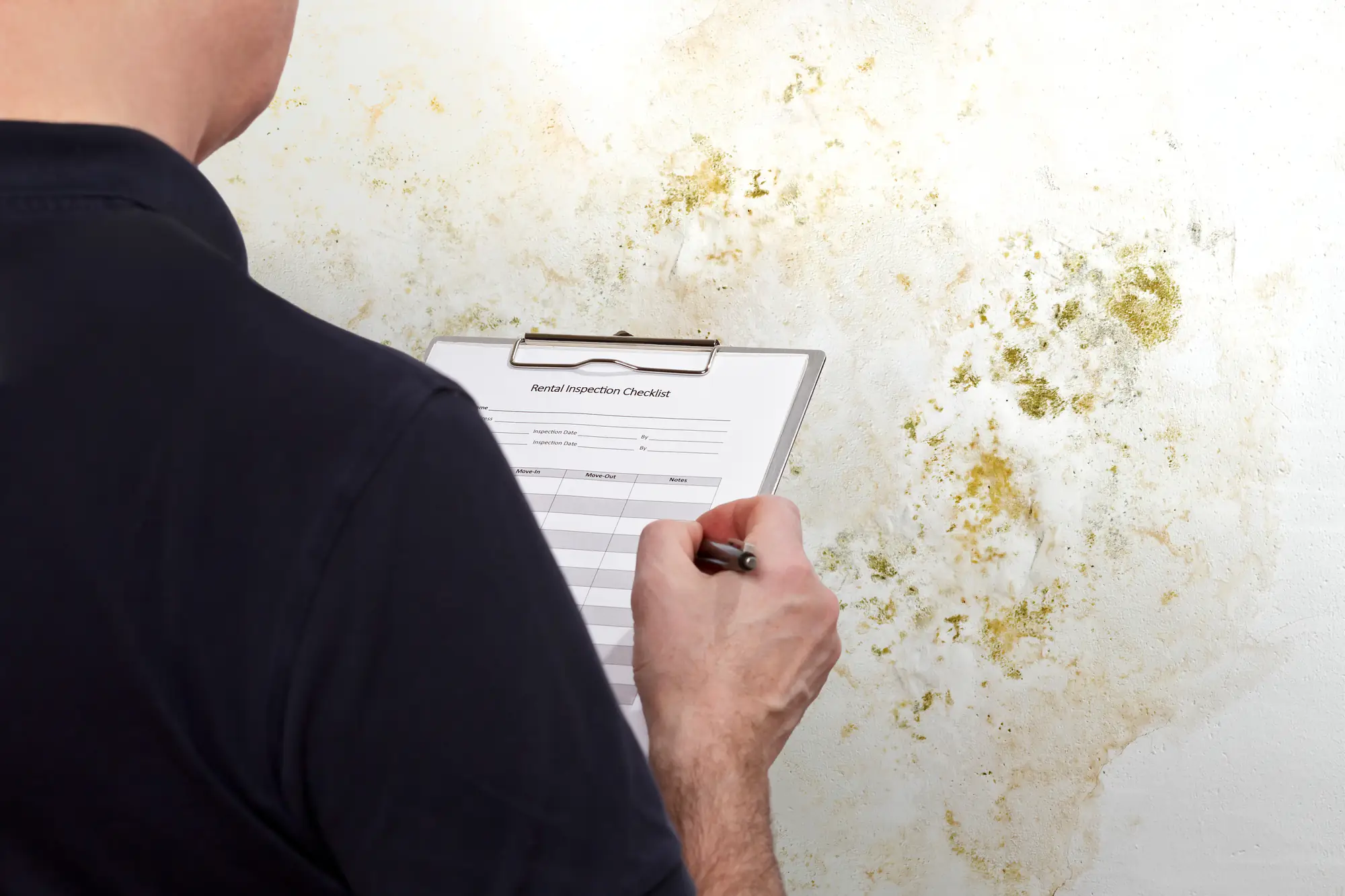
First, we talk. You tell us what you’ve noticed—the smell, the stain, the leak, the symptoms. We ask questions about your home’s history, recent water issues, and where you’re most concerned.
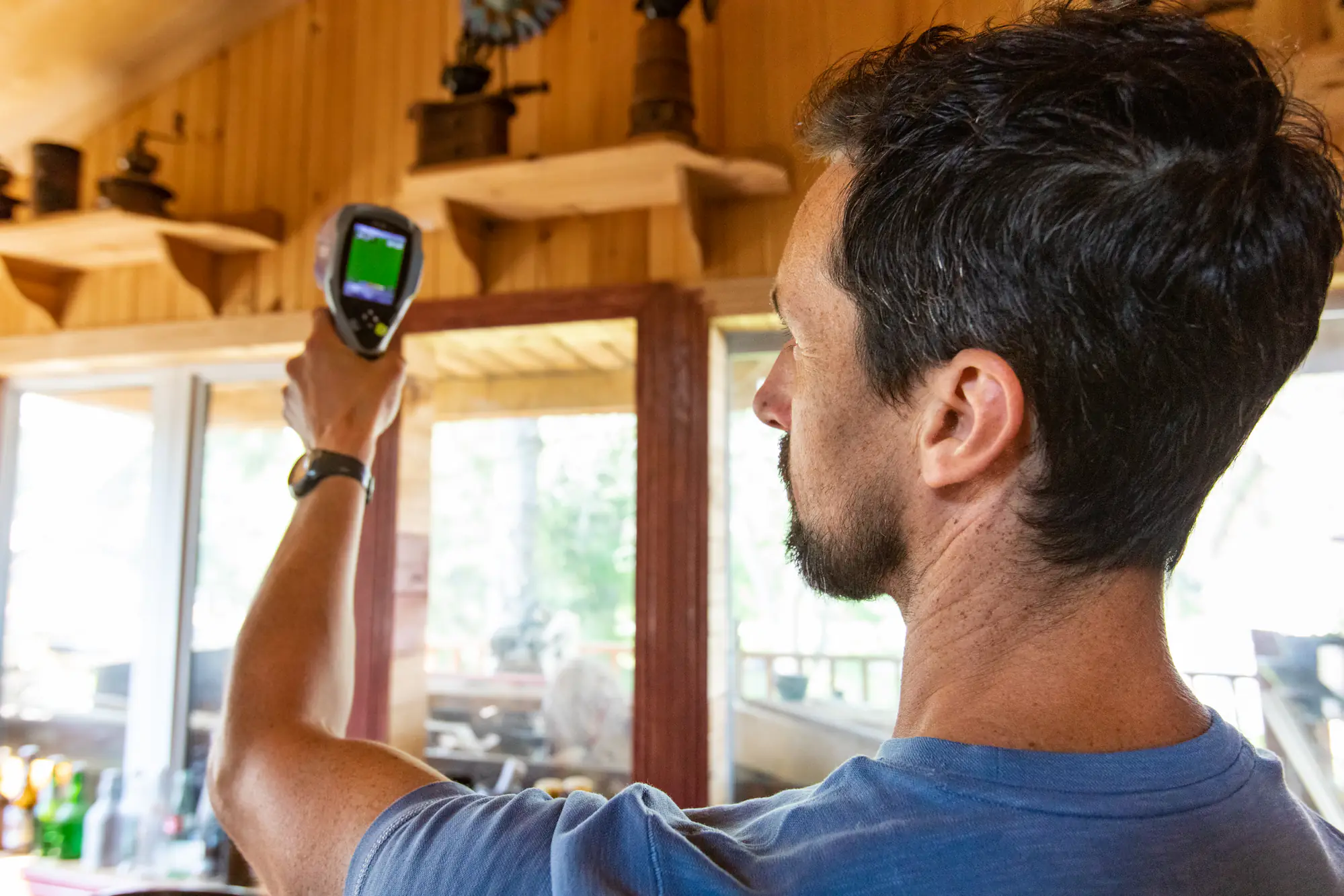
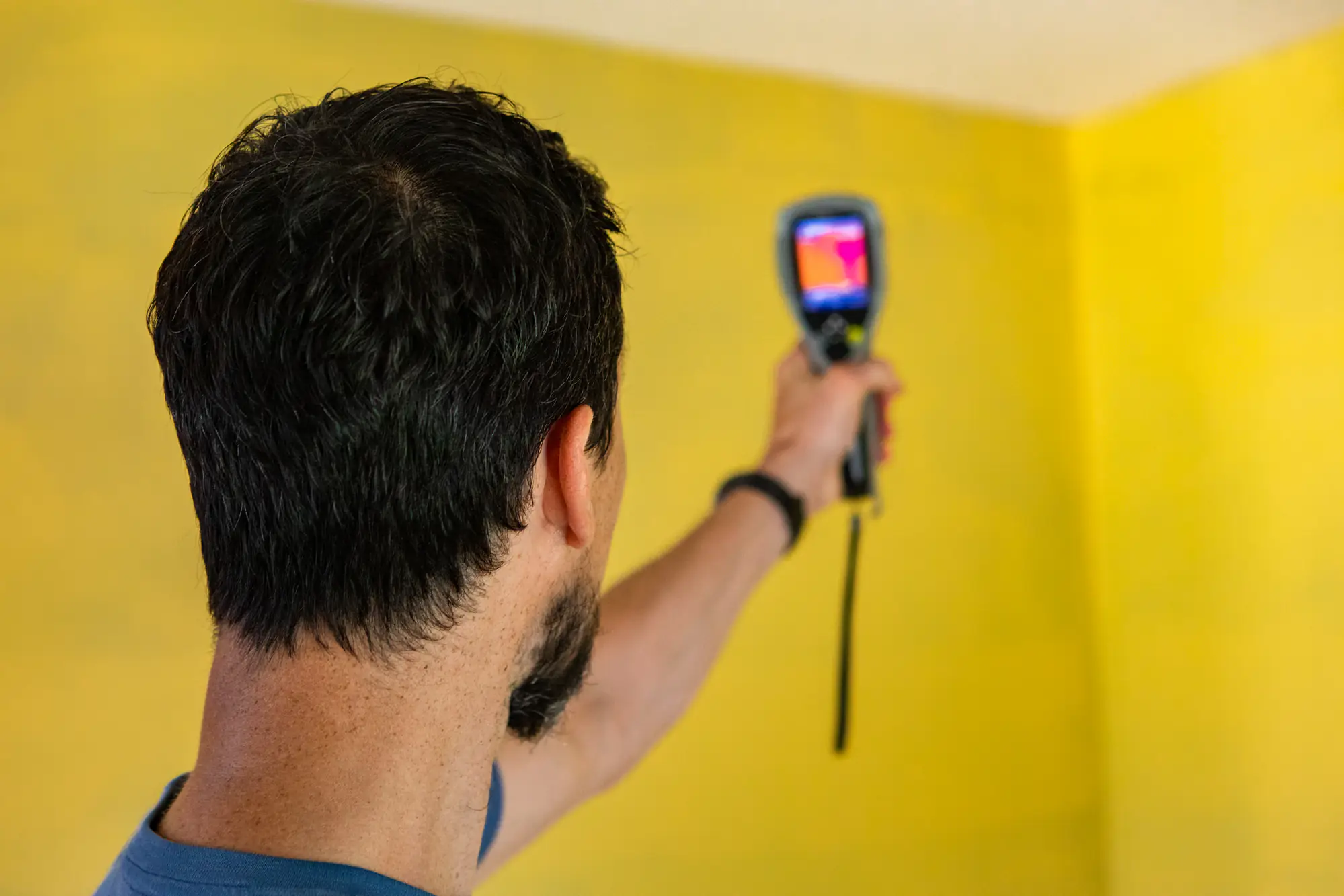
Then we schedule an inspection at a time that works for you. During the visit, we walk through your home and check the obvious spots and the hidden ones. Basements, crawl spaces, attics, behind appliances, around windows—anywhere moisture likes to settle. We use moisture meters and air quality tools to measure what’s happening in your environment.
We take samples. Air samples show what’s floating around that you’re breathing in. Surface samples confirm what’s growing on walls, ceilings, or floors. These samples go to a certified lab for analysis.
Within a few days, you get a detailed report. It tells you what types of mold are present, the concentration levels, and whether they’re at concerning levels. We walk you through the results in plain language and explain what needs to happen next—whether that’s a targeted cleanup, a bigger remediation job, or just fixing a ventilation issue to prevent future growth.
Ready to get started?
A mold test isn’t just someone showing up and eyeballing your walls. It’s a systematic process designed to give you accurate, actionable information.
You get a full visual inspection of your property. We’re looking for active growth, water damage, humidity problems, and conditions that let mold thrive. In Yellowood and the surrounding Bucks County area, that often means checking basements for groundwater seepage, attics for roof leaks, and bathrooms for ventilation failures. Pennsylvania’s seen a 5% to 10% increase in precipitation recently, and that extra moisture is showing up in homes as mold, mildew, and air quality issues.
Air sampling captures spores that are invisible but present. This is critical because mold doesn’t have to be visible to affect your health. Surface sampling identifies the specific type of mold growing in problem areas—including black mold, which gets the most attention but isn’t the only concern. Different molds require different approaches.
You also get a written report with lab results, photos, moisture readings, and recommendations. If remediation is needed, we’ll map out a plan. If it’s minor, we’ll tell you that too. The goal is giving you enough information to make a smart decision about your home and your health.
Mold testing typically costs between $300 and $600 depending on the size of your home and how many samples are needed. A basic inspection with air sampling for a smaller home runs on the lower end. Larger properties or homes where we need to test multiple areas—like the basement, attic, and living spaces—cost more.
Here’s why it’s worth it: the average mold remediation job in the U.S. costs $2,300. Catching a problem early with a $400 test can save you from a $5,000 cleanup later. It also protects your home’s value. Homes with mold issues can lose 20% to 37% of their resale value, and half of buyers walk away the moment they hear “mold.”
If you’re buying or selling a home in Yellowood, a mold inspection is one of the smartest investments you can make. It gives buyers confidence and sellers leverage. And if you’re already living here and dealing with symptoms or smells, the test answers the question fast so you’re not guessing or waiting for things to get worse.
If you can see mold or smell that musty, earthy odor, you probably don’t need a test to confirm it’s there—you need remediation. But testing still helps identify what type of mold it is and how widespread the problem is, especially if it’s hidden.
Here’s when testing makes sense: after a water leak or flood, even if everything looks dry. Mold can start growing within 24 to 48 hours, and it often hides inside walls, under flooring, or in HVAC systems. If someone in your home is experiencing unexplained respiratory issues, allergies, or asthma flare-ups, a mold test can confirm whether spores are the cause. About 21% of asthma cases in the U.S. are linked to dampness and mold.
Testing is also critical during real estate transactions. Buyers want to know what they’re getting into, and sellers want to avoid surprises that kill deals. If your home has a history of water issues, a humid basement, poor ventilation, or you’ve noticed condensation on windows, a mold check gives you clarity before small problems become expensive ones.
A mold inspection is a visual assessment. We walk through your property, look for visible mold, check for water damage, measure moisture levels, and identify conditions that promote mold growth. It’s about finding the problem and understanding what’s causing it.
Mold testing goes further. We collect samples—air samples, surface samples, or both—and send them to a lab for analysis. The lab identifies the specific types of mold present and measures the concentration of spores. This is important because not all mold is the same. Some types are more hazardous than others, and knowing what you’re dealing with determines the right remediation approach.
Most of the time, you want both. The inspection finds where the mold is and why it’s growing. The testing confirms what it is and how serious the contamination is. For homes in Bucks County where humidity and older construction create ideal conditions for mold, this combination gives you the full picture. It’s the difference between guessing and knowing exactly what needs to happen next.
DIY mold test kits exist, and they’re cheap—usually $10 to $50. But they’re not reliable. Most kits just confirm that mold spores are present, which isn’t useful because mold spores are everywhere. They’re in the air outside, in your car, in every building. What matters is the type of mold and the concentration level, and home kits don’t measure that accurately.
Professional mold testing uses calibrated equipment and certified labs. We know where to sample, how to avoid contamination, and how to interpret results in the context of your home’s specific conditions. A surface swab from a DIY kit might show mold, but it won’t tell you if that’s toxic black mold or harmless mildew. It won’t measure airborne spore counts or identify hidden growth behind walls.
If you’re trying to make decisions about remediation, insurance claims, or a real estate deal, you need data that holds up. Professional testing gives you a report with lab certification, photos, moisture readings, and clear recommendations. In Yellowood and across Bucks County, where homes deal with fluctuating humidity and aging infrastructure, accurate testing is the only way to know what you’re really dealing with.
The inspection itself usually takes one to two hours depending on the size of your home and how many areas we’re testing. We’re thorough but efficient. We check the spaces you’re concerned about plus the common problem areas—basements, crawl spaces, attics, bathrooms, and anywhere we find moisture or ventilation issues.
Sample collection adds a bit of time but not much. Air samples take a few minutes per location. Surface samples are quick swabs or tape lifts. Once we’re done, the samples go to a certified lab for analysis.
Results typically come back within three to five business days. The lab report identifies mold species, spore counts, and concentration levels. We’ll call you as soon as we have the results and walk you through what they mean. If there’s a serious issue, we’ll prioritize getting you answers fast. If it’s a borderline case or a minor problem, we’ll explain your options without pushing you toward services you don’t need. The goal is giving you clarity quickly so you can move forward with confidence.
First, don’t panic. Finding mold is common, especially in Bucks County where humidity and precipitation create conditions for growth. What matters is understanding the severity and taking the right steps to fix it.
If the test shows elevated mold levels or identifies hazardous types like black mold, we’ll walk you through a remediation plan. That might mean removing contaminated materials, treating affected areas, fixing the moisture source, and improving ventilation. The scope depends on how widespread the problem is. Small, contained areas are straightforward. Larger infestations require more work, but catching them through testing prevents even bigger damage down the road.
If the results show low levels or non-toxic mold types, the fix might be simpler—better airflow, a dehumidifier, sealing a leak, or cleaning surfaces with the right products. We’ll give you specific recommendations based on what the lab found and what we observed during the inspection. Either way, you’ll know exactly what needs to happen, what it’ll cost, and how to prevent mold from coming back. Testing takes the guesswork out and gives you a clear path forward.
Other Services we provide in Yellowood